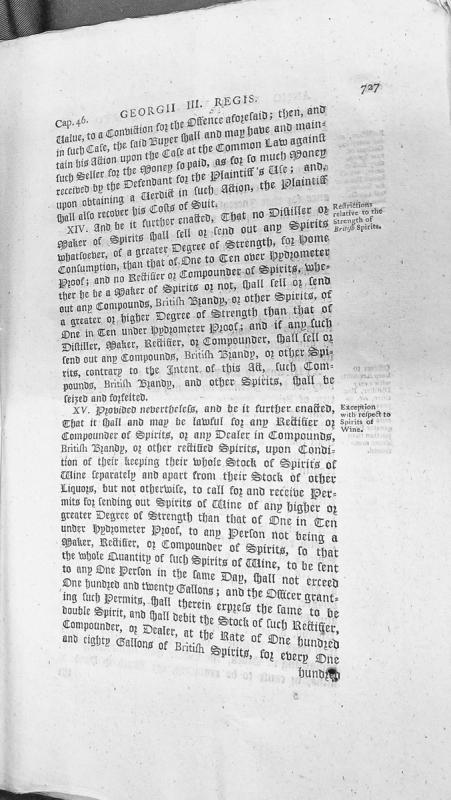
This is an excerpt from Chapter 46 of a statute during the reign of George III, containing clauses XIV and XV regulating the manufacture and sale of distilled spirits. The text establishes maximum strength requirements for spirits sold for home consumption and includes exceptions for spirits of wine under specific conditions.
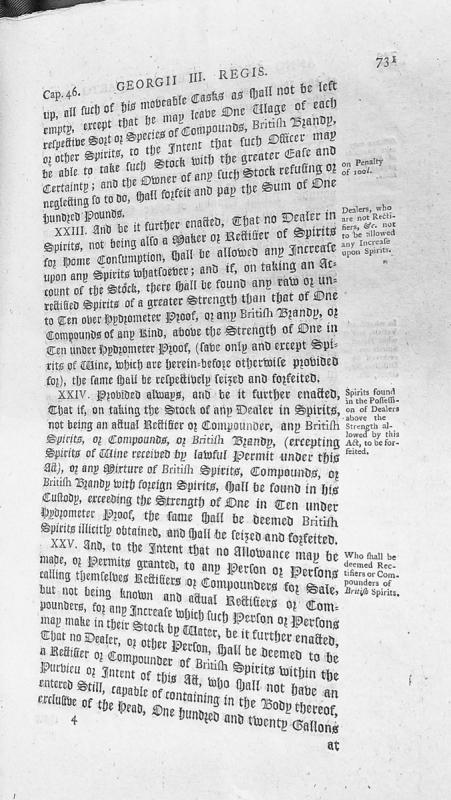
An excerpt from Chapter 46 of legislation under King George III concerning regulations for dealers and rectifiers of spirits. The text details penalties for non-compliance with stock management requirements, restrictions on spirit strength levels for non-rectifier dealers, and definitions of qualified rectifiers and compounders for sale.
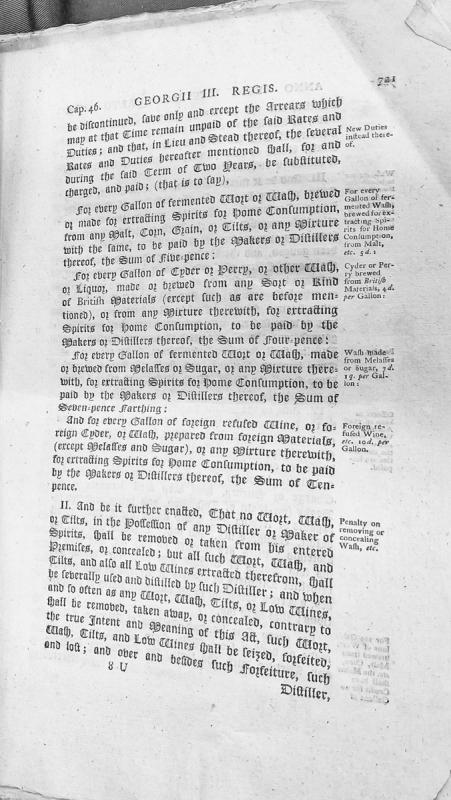
This is an excerpt from legislation (Cap. 46) during the reign of George III establishing new excise duties on various fermented worts, washes, ciders, and spirits produced for home consumption. The document specifies duty rates ranging from 4 pence to 10 pence per gallon depending on the material source, and includes penalties for removal or concealment of materials subject to duty.
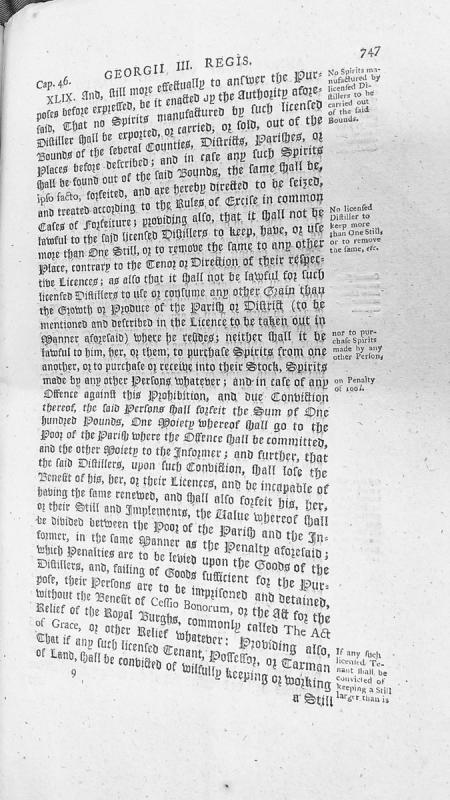
This is an excerpt from a legal statute (Cap. 46, Section XLIX) from the reign of George III regulating licensed distillers. It establishes restrictions on the export and sale of spirits outside specified bounds, limits distillers to a single still, restricts grain sources to local parishes, and prohibits purchasing spirits from other distillers. Violations result in forfeiture of £100, loss of license, and potential imprisonment.
Captain James Thomson reports to Major John Gardiner on a disturbance in Douglas involving soldiers under his command assisting a naval press gang. The letter defends the soldiers' conduct during a confrontation with fishermen who resisted impressment, resulting in two fishermen being wounded. Thomson emphasises his efforts to maintain good relations with the civilian population and clarifies his own non-involvement in the actual impressment.
Official report from Captain James Thomson (2nd Battalion, 6th Regiment) to Major John Gardiner regarding a press gang impressment operation in Douglas harbour on the night of 13-14 August 1811. Thomson defends his soldiers' conduct during an altercation between locals ('Fishermen') and Lieutenant Hawkes's press gang, explaining military assistance provided and use of ball cartridge. Documents civilian resistance to impressment and civil-military tensions on the Isle of Man.
Complaint filed by Madam Horne against the Spiritual Court at Kirk Michell, contesting her treatment as a witness/defendant in an ecclesiastical case involving Archdeacon Horrobin and others. The document, extracted from the Exchequer-Book of 1722, was submitted to Lieutenant-Governor Shaw in 1792 as part of Commissioners of Inquiry proceedings. It illustrates jurisdictional disputes, the powers of spiritual courts, and due process concerns in early 18th-century Isle of Man governance.
A complaint filed by Madam Horne before the Governor and Council of the Isle of Man in 1721, protesting irregular proceedings by the Spiritual Court at Kirk Michell. The case reveals tensions between ecclesiastical and civil jurisdictions on the Island, and practices of public penance and record-based defamation. This document was extracted from the Exchequer Book and included in a 1792 report by Commissioners of Inquiry, demonstrating how historical governance disputes informed later reform efforts.
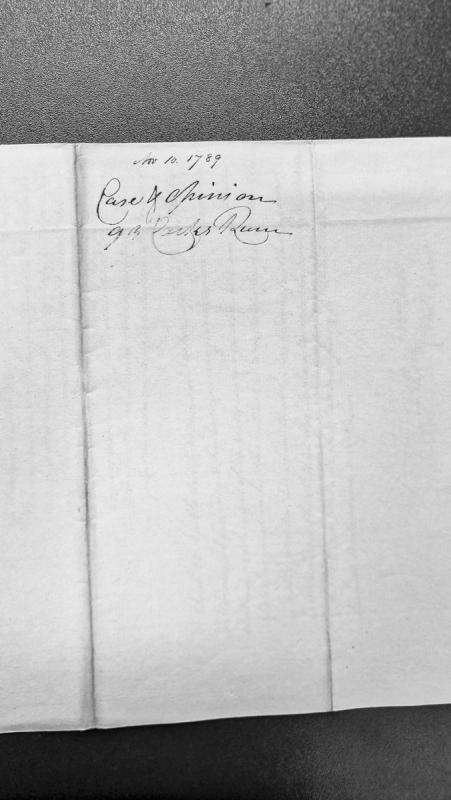
A legal case and opinion document dated November 10, 1789, concerning Castle Rushen. The document appears to be a formal legal assessment or ruling, though the full content and nature of the case are not fully legible from the available transcription.
A legal opinion from Castle Rushen addressed to the Duke of Atholl concerning the naturalization of four Roman Catholic merchants (Thomas Arthur, John Folie, Hugh Connor, Francis Dean) in the Isle of Man. The opinion argues that secular privileges of native-born inhabitants should be extended to long-resident foreign merchants regardless of religious persuasion, emphasizing the Isle's religious stability and the distinction between religious and commercial rights under Manx law.
A legal opinion from the Duke of Atholl's officials (Castle Rushen) addressing the naturalization and trading privileges of four Roman Catholic merchants (Arthur, Folie, Connor, Dean) in the Isle of Man. The document outlines Manx sovereignty, native privileges, the Lord's prerogative to naturalize foreigners, and argues that naturalization concerns secular justice and trade equality, not religious conformity. It affirms the Isle's Protestant establishment and notes the absence of penal statutes against Catholics.
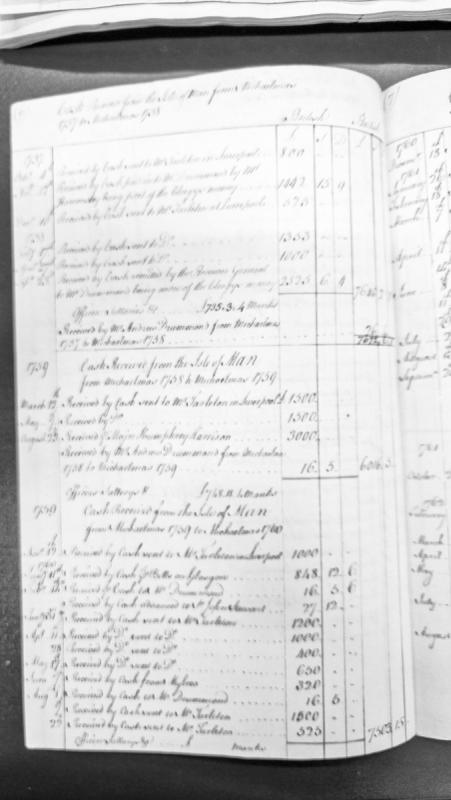
A revenue abstract recording cash received from the Isle of Man between Michaelmas 1757 and 1760, with detailed entries of payments sent to Mr. Tarleton in Liverpool and Mr. Drummond, including Bishop's money allocations and officers' salaries. The document tracks financial transactions across multiple years with amounts in pounds, shillings, and pence.
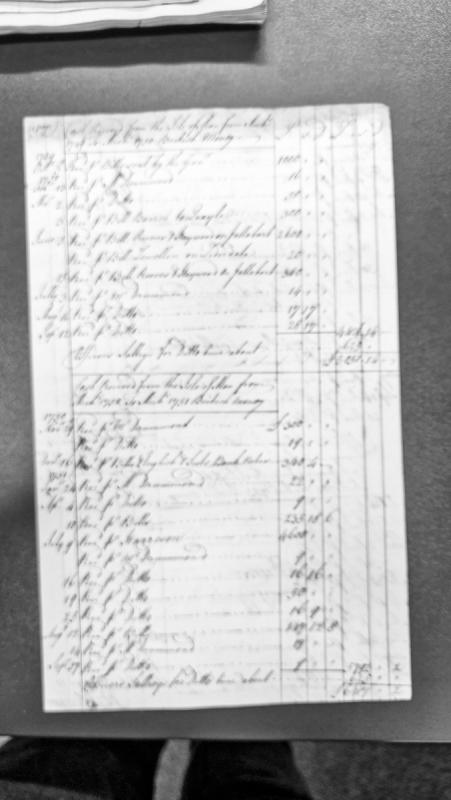
A financial accounting document recording cash receipts from the Isle of Man over two consecutive accounting periods (Michaelmas 1749-1750 and Michaelmas 1750-1751). The document lists individual payments received via various intermediaries including Mr Drummond, bills drawn on named parties, and bank notes, with amounts in British currency.
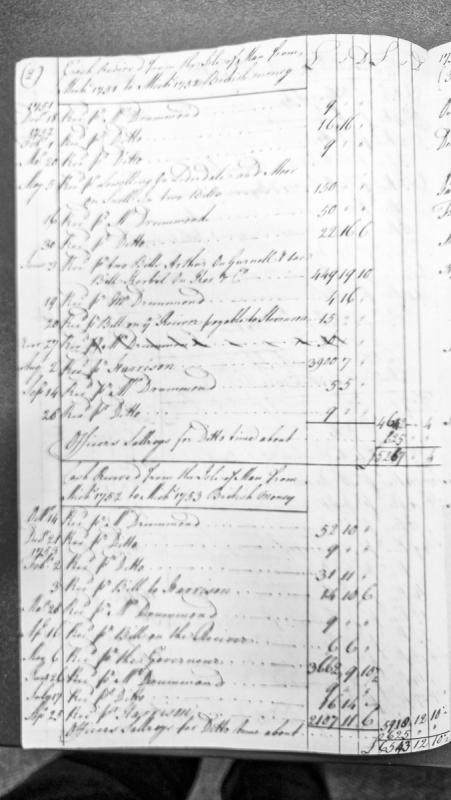
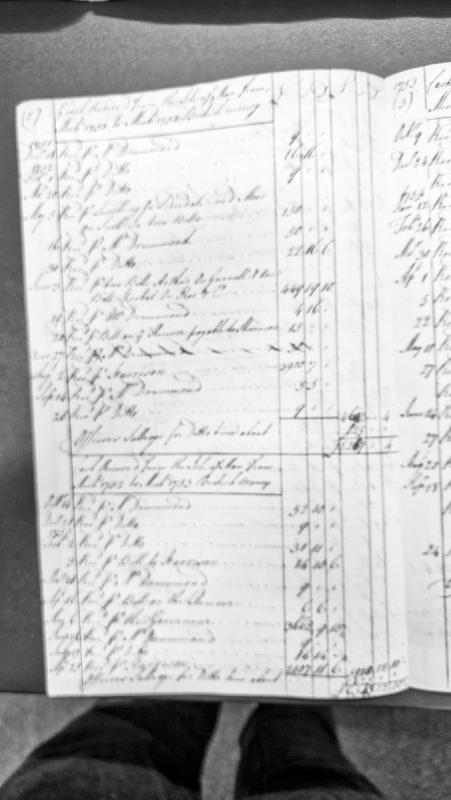
Revenue abstract recording cash receipts from the Isle of Man across two accounting periods: Michaelmas 1751 to Michaelmas 1752, and Michaelmas 1752 to Michaelmas 1753. Documents payments received through various intermediaries and bills, with totals including officer salaries.
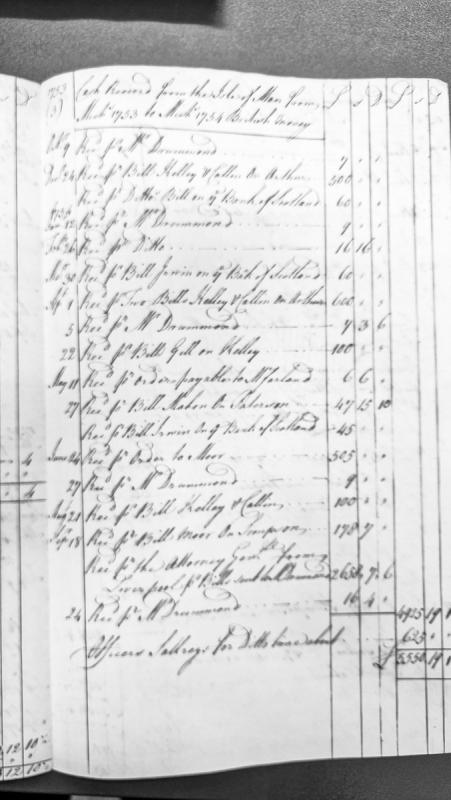
A revenue abstract recording cash receipts from the Isle of Man over a twelve-month period from October 1753 to September 1754. The document lists individual payments received through various agents and bills of exchange, with amounts in British money (pounds, shillings, pence), and concludes with a total after deducting officers' salaries.
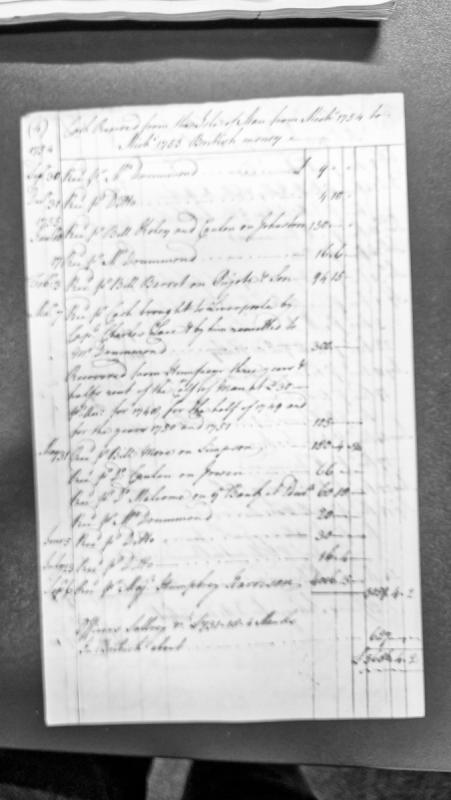
A financial account detailing cash receipts from the Isle of Man over a twelve-month period from September 1754 to September 1755 in British currency. The document records multiple payments received through various intermediaries and agents, including rent from the Cell of Man, and includes a total accounting of approximately £5055 4s 2d.
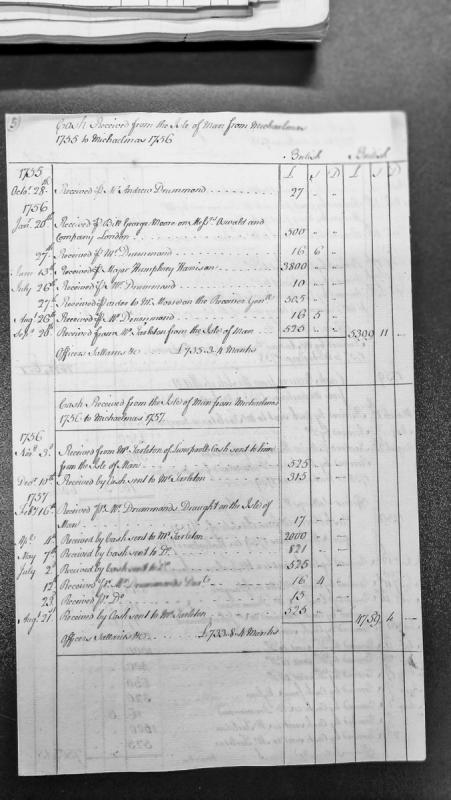
A financial abstract recording cash receipts from the Isle of Man covering two accounting periods: Michaelmas 1755 to Michaelmas 1756, and Michaelmas 1756 to Michaelmas 1757. The document lists individual payments received through various intermediaries, with totals and notes on officers' salaries paid in Manx currency.
A financial record documenting cash transfers removed from the Isle of Man between Michaelmas 1752 and Michaelmas 1753, recorded in British currency. The document lists individual transactions with dates, payment methods (primarily via Drummond and bills), and amounts in pounds, shillings, and pence. Includes officer salary information for the same period.
A royal certificate from the Exchequer Treasury documenting the surveyal and valuation of Furness Abbey's properties following the Dissolution of the Monasteries. The document lists temporal and spiritual possessions in the Isle of Man, including land holdings (Rouat wathe) and appropriated parsonages (St Mawlde and St Michael), with annual rental values. Relevant to understanding pre-Revestment Manx landholding and ecclesiastical structures.
A certified statement and oath documenting provisions (bread, coals, candles) delivered by John Younger, agent to Anthony Bacon, to His Majesty's Troops in the Isle of Man between 6 April and 7 July 1770. The certificate is sworn before Calcot Heywood, a Deemster, and countersigned by Captain John Hedges of the 48th Regiment. Relevant to post-Revestment military administration and supply logistics on the Island.
Official certificate and sworn statement certifying delivery of provisions (bread, coals, candles) to the 48th Regiment of Foot stationed on the Isle of Man between April–July 1770. The document shows military provisioning arrangements on the island and was submitted to the Lords of the Treasury for accounting purposes.
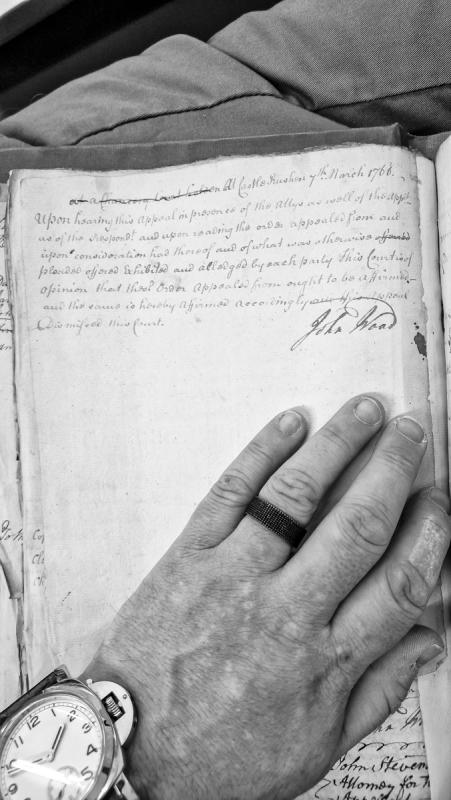
A Chancery Court judgment delivered on 7 March 1766 at Castle Rushen, affirming an appealed order following oral arguments from both appellant and respondent counsel. The court dismissed the appeal after reviewing the original order and hearing evidence from both parties.
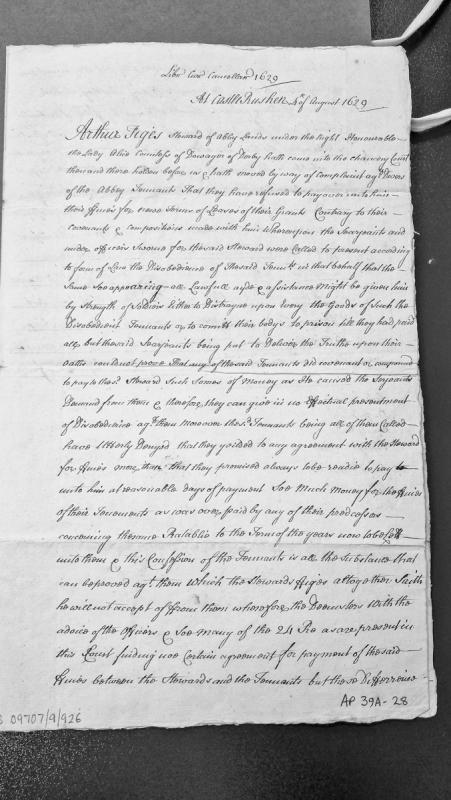
A Chancery Court record from Castle Rushen documenting a complaint by Arthur Figes, Steward of Abbey Lands under the Countess of Derby, against tenants who refused to pay fines for lease terms. The court examined whether the tenants had covenanted to pay specific sums, ultimately finding no certain agreement existed between the steward and tenants.
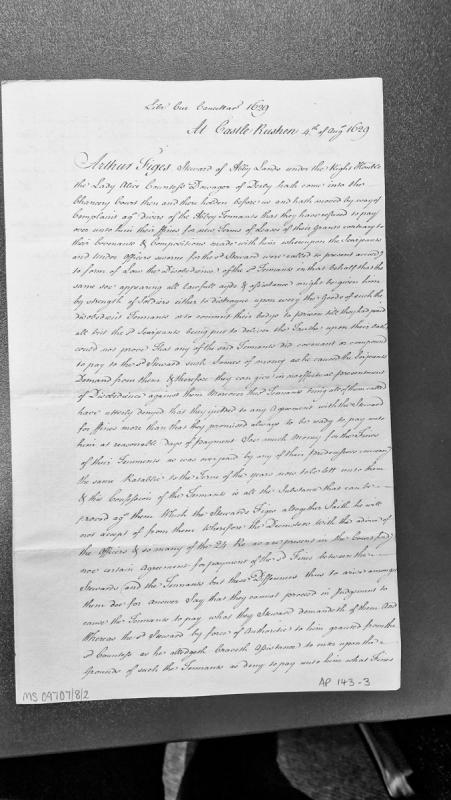
Record of a Chancery Court hearing at Castle Rushen where Arthur Figes, Steward of Abbey Lands under the Countess of Derby, brought complaint against abbey tenants for refusing to pay fines for new lease terms. The Deemsters and court officers find no certain agreement for payment and decline to compel the tenants to pay the demanded fines.
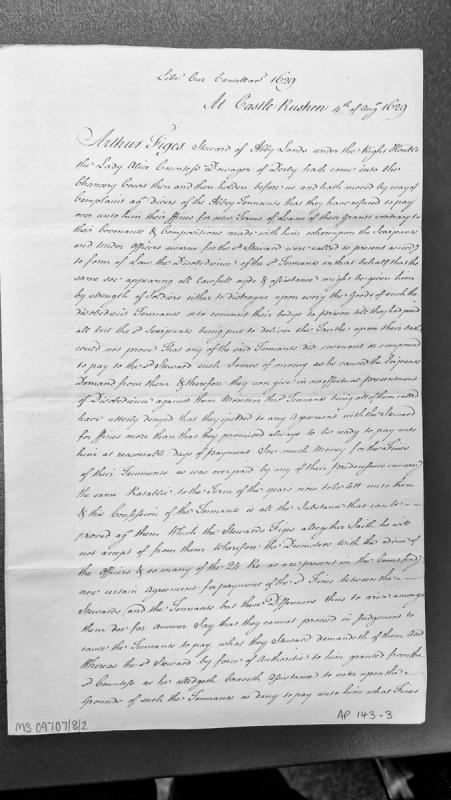
A Chancery Court record from Castle Rushen documenting a complaint by Arthur Jiges, Steward of Abbey Lands under the Countess Dowager of Derby, against abbey tenants who refused to pay fines for new lease terms. The court found no binding agreement between the steward and tenants regarding payment amounts, ruling the tenants need only pay fines consistent with historical precedent.